

This is very much a back-to-the-basics, you’ve-probably-heard-this-a-million-times list of good habits and practices that one should ascribe to, whether this is your first application to a college in the US, or you’ve been through the process before. So why are we taking the trouble to list them out here?
Because they bear repeating.
Even the most diligent and dedicated applicants are sometimes tempted to cut corners – it is understandable, what with the million other things going on in life and the world. “I’ll get to it tomorrow,” or “I can remember this, there’s no need to double-check” – who hasn’t felt this way at some point or the other?
In this list, we outline the simple things that if done properly and in a timely fashion help you avoid the common pitfalls of the application process. They help ensure that your efforts are not wasted due to avoidable errors, and help you use your time effectively.
This list applies to applicants of all ages, applying to programs of any level – undergraduate or graduate.
1. PAY ATTENTION TO DEADLINES
Like we said – basic. And yet, despite being a simple rule of applying to anything with a deadline (i.e. – know when the deadline is), so many applicants simply overlook important dates. Different applications have different submission deadlines; undergraduate applications go from November through February. Some colleges have a rolling admission policy, where applications are evaluated as they are received. Specific programs might have earlier deadlines. Early action, early decision, regular decision deadlines vary from college to college. Some components of the application might be due earlier or later than the regular application, like financial aid forms.
The point is, PAY ATTENTION TO DEADLINES because there are many. Having a big-picture view of all the test dates and deadlines allows for a more methodical approach to the applications and lets you budegt your time well in advance.
2. READ DIRECTIONS
The place to get creative on your application is with the essay, portfolio, or other writing components, not when following clearly stated directions. If something says no more than one page, don’t submit more than one page. With most applications being online, things like word counts are sometimes limited by the form – 150 characters means 150 characters; the choice of adding more is out of your hands. There are still several other instructions on the application that you need to follow. In order to do that, you need to read them! You don’t want your application to be dismissed because you didn’t pay attention to what was being asked. Reading the instructions slowly and carefully, well ahead of time, gives you room to clarify as well. It’s perfectly normal to perhaps not understand things relating to paperwork, or as an international applicant, you might just be used to things happening differently – if you’ve read the directions though, you can ask what you aren’t sure about in a timely manner.
Don’t take the instructions for granted!
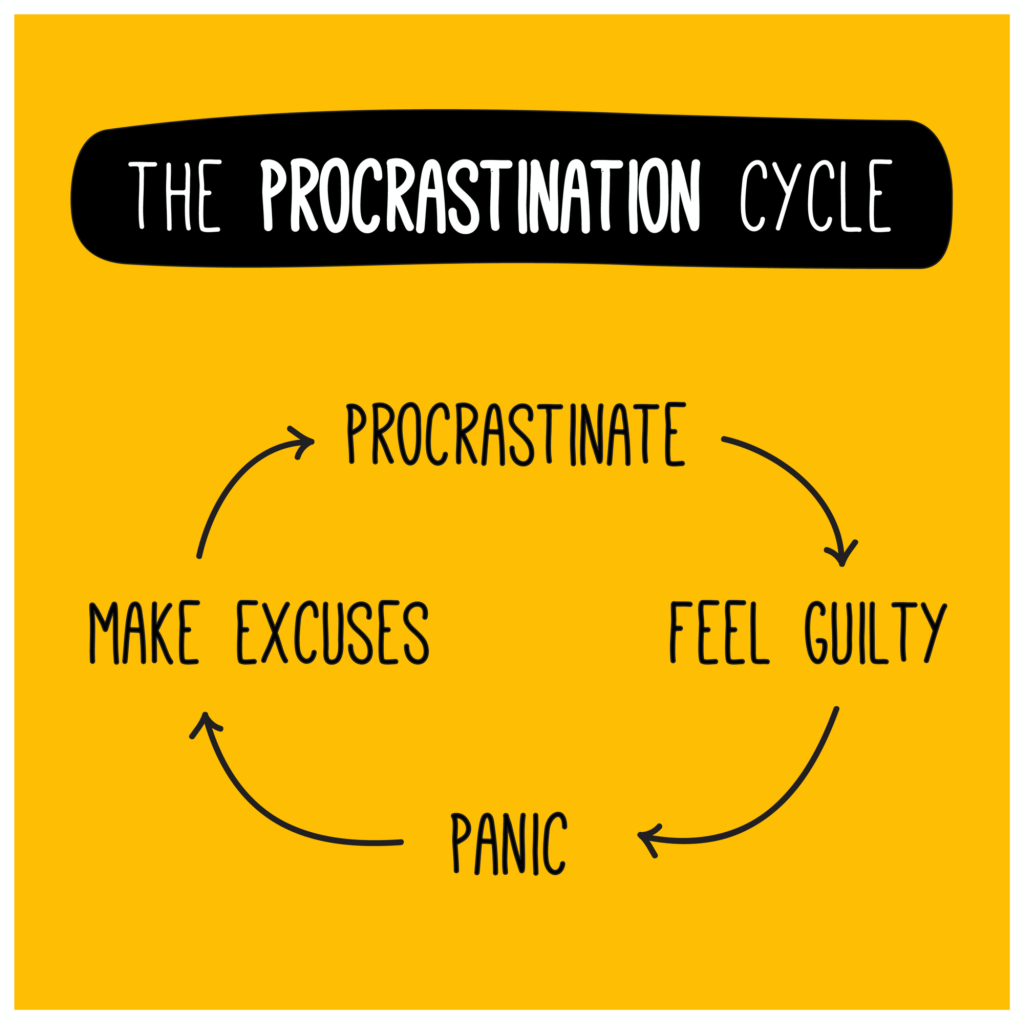
3. DON’T PROCRASTINATE
Why we procrastinate is a FASCINATING area of study, one that many, many people have delved into and tried to understand. All you need to know about it right now though, and for the purposes of your application to college, is that by procrastinating, you are doing yourself a disservice. Please do not underestimate how much time it takes to fill out a complete, compelling application. You could be the smartest person in your class, the most adept at doing your work, a fantastic writer who can churn out a top-quality essay in a matter of hours – channel that confidence instead of letting it turn into overconfidence. Procrastinating too much leads to having to do what should be your best work in panic-mode. You control your actions – there are other forces at work during application time that you have no control over. Begin your test prep early, and don’t wait for the last possible date to take them. Ask for your recommendations well in advance – teachers and employers are people too! You don’t want them rushing to finish your recommendations. Get out an essay draft sooner rather than later – review is important! A thoughtful, comprehensive, well-crafted application takes time, time that you’ll have less of if you procrastinate.
4. REVIEW YOUR SOCIAL NETWORKING PROFILES (AND EMAIL ADDRESS)
Colleges don’t always look up applicants online, but the fact of the matter is that it does happen. There are real people making the decision to accept or reject applicants, people with access to the internet and any information about you that is publicly available. How you portray yourself online makes an impression; it speaks to what matters to you, and carries weight on how you are perceived. We aren’t going to argue whether this as a practice is right or wrong, or whether schools should or shouldn’t do it. We ARE going to encourage you to think about whether your social media presence will have a positive or negative impact on your application. Google yourself, go over your profiles and pages, and remove anything that upon review might not show you in the best light, and maybe don’t use that email address that was SO FUNNY when you thought of it in middle school, but would not be considered acceptable in a professional setting.
5. DON’T RELY ON YOUR PARENTS OR ANYONE ELSE TO FILL OUT YOUR APPLICATION
As parents, of course we want to help our kids with whatever we can. It is tempting to let a parent fill out portions of the applications, or get you started on the essay. Perhaps you’re not a very good writer – maybe a friend can help. No big deal, right?
Wrong. There is a vast difference between receiving help, advice, or input and letting someone else complete your application. On that note, international applicants especially, please BEWARE of any counselling or consulting services that offer to write the essays for you. This is plagiarism – making other peoples ideas and words seem as if they are your own. Plagiarism has existed for a long time, and apart from having access to tools that help detect plagiarism, most admissions readers have been around the block enough to have a sixth sense of when an applicant has received a little too much help.
Brainstorm with other people, have your application reviewed, have someone edit your essays and give you feedback, but draw the line at someone filling out your application.
6. EXTRACURRICULARS – DON’T LIST EVERYTHING YOU HAVE EVER DONE
Think quality over quantity. What you choose to include on your application is part of the story you’re telling about yourself. It goes (almost) without saying that varied interests make for a stronger application, but simply participating in a plethora of activities doesn’t hold as much water as being able to highlight your role or contribution, learning, growth, and leadership in a few activities that you have pursued for a longer period of time. There really isn’t a need to mention every club meeting you might have attended, or things you did years ago and haven’t thought about ever since. Demonstrating sustained effort and growth shows dedication, a quality valued all over the world, and especially by colleges that are hoping you are going to be a dedicated student and an active member of the community.
7. PROOFREAD
Don’t let a typo or an unfortunate autocorrect portray you as someone sloppy or uninterested. If you have a complete application that is at the proofreading stage, you have put in significant effort already – why let it go to waste at the last mile? Please proofread your applications – this is also a good place to seek help. Don’t underestimate the power of proofreading with fresh eyes – you’ll catch errors that are invisible after you have been staring at the words all day.
8. BE HONEST
Resist the temptation to embellish excessively – a roundabout way of saying: don’t lie on your application. If you play a sport but never made captain, don’t say that you did – it is ok, the important part here is that you play a sport. Discussing the real value you derived from experiences – even failures – adds much more to your ‘Plus’ column than stretching the truth or being disingenuous. You are unique, your context matters, and the best way to communicate the brand that is you is by sticking to the facts, and not having to spend the rest of the admissions process keeping track of a lie you didn’t have to tell to begin with.
 CollegeNova